
Many people return from a trip feeling rested enough to function but not restored enough to feel whole.
They slept longer. They slowed down. Yet something still feels off. The mind stays busy. Conversations feel shallow. The calm they hoped for never fully arrived.
That disconnect happens for a reason.
Sleep and restoration are not the same thing. Likewise, not every place designed for “getting away” supports real rest.
Hotels Serve a Purpose, but It Is Not Stillness
Hotels exist for efficiency.
They offer predictability, convenience, and proximity. For business travel, overnight stops, or packed itineraries, they work well. Guests arrive, sleep, and move on.
However, hotels create environments filled with movement.
People walk the halls. Doors open and close. Elevators hum. Televisions play. Phones buzz. Even when the room is quiet, the body senses constant activity nearby.
As a result, the nervous system stays alert.
Hotels work well for sleeping.
They do not support deep stillness.
Restoration Requires a Different Kind of Environment
True restoration begins when the body no longer feels the need to stay on guard.
That shift happens through environment, not effort. Fewer sounds matter. Fewer decisions help. Reduced stimulation allows the mind to slow down naturally.
In other words, restoration does not happen because you try harder to rest.
Instead, it happens because the space allows rest to occur.
Why Time Off Does Not Always Bring Relief
Many people feel confused when they return from a weekend away feeling just as tired as before. They took time off. They slept more. They stayed in bed longer. Still, exhaustion followed them home. Often, the environment never changed. The same pace remained. The same noise lingered. The same mental vigilance stayed active. Without reducing stimulation, the nervous system never fully powered down. Sleep helps the body. Quiet restores the soul.

The Difference Between Escaping and Truly Arriving
Some trips focus on escape.
They distract with activity. They fill the schedule. They keep the mind busy enough to avoid stillness.
Other trips focus on arrival.
These experiences slow conversation. They create space for reflection. They allow people to notice how tired they have been without rushing past it.
Because of that, arrival restores what escape cannot.
An Environment Designed for Rest, Not Rush
This distinction explains why places like Love of the View exist.
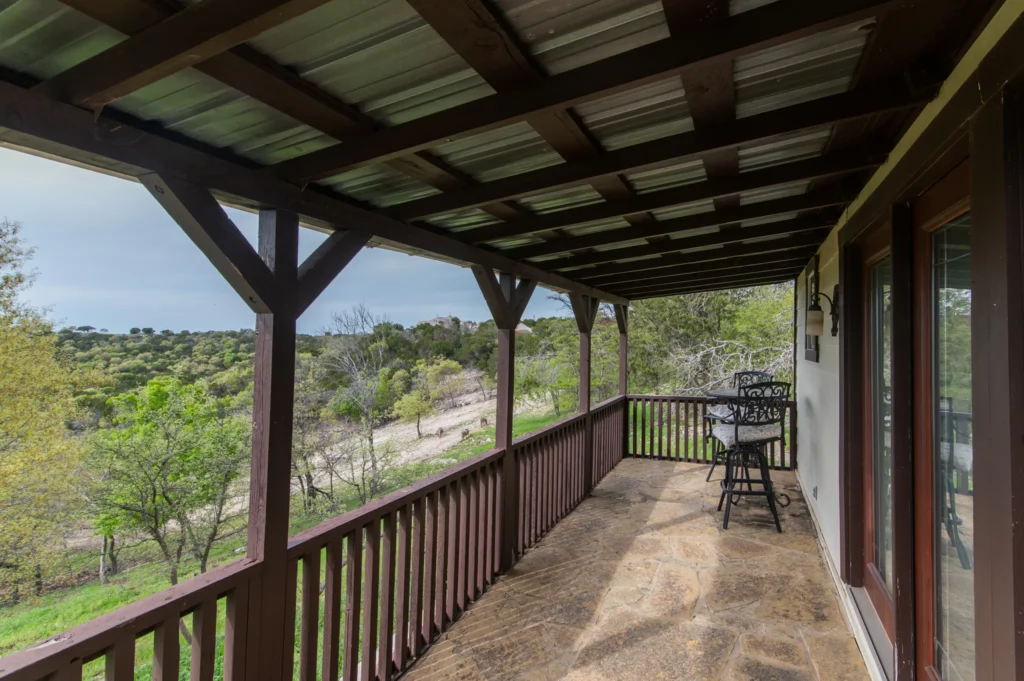
Love of the View functions as an environment, not just a place to stay. Adults-only space removes unnecessary stimulation. No Wi-Fi protects mental quiet. Expansive views encourage slower breathing without instruction.
Nothing here asks for performance.
Nothing pushes urgency.
Instead, the setting invites stillness.
Restoration Does Not Depend on Luxury
Many people assume restoration requires extravagance. In reality, intention matters more than indulgence.
Quiet environments protect rest. Slower rhythms allow clarity to return. Reduced noise gives the nervous system permission to relax.
Hotels focus on efficiency.
This space focuses on restoration.
A Gentle Invitation
If deep rest has felt out of reach, the environment may be the missing piece.
Love of the View offers space designed to support stillness, not schedules. Those seeking a quieter kind of reset can explore it here:
https://loveoftheview.com/
There is no rush. Restoration works best when time slows down.